You have a book idea that won’t let you sleep. A solid book proposal turns that spark into a plan you can use to pitch, publish, and sell. Even if you self-publish, a proposal gives you focus, a real marketing plan, and a clear path to revenue. It also helps with hybrid deals, bulk sales, grants, and bookstore interest.
This guide is simple and friendly, built for indie authors. You will learn what a proposal is, the must-have sections, how to present numbers that convince, and a step-by-step template to follow. Along the way, you will see examples, quick wins, and visual suggestions you can save for later.
You will walk away with a plan, a pitch, and a roadmap.
What Is a Book Proposal and Why Self-Publishers Need One
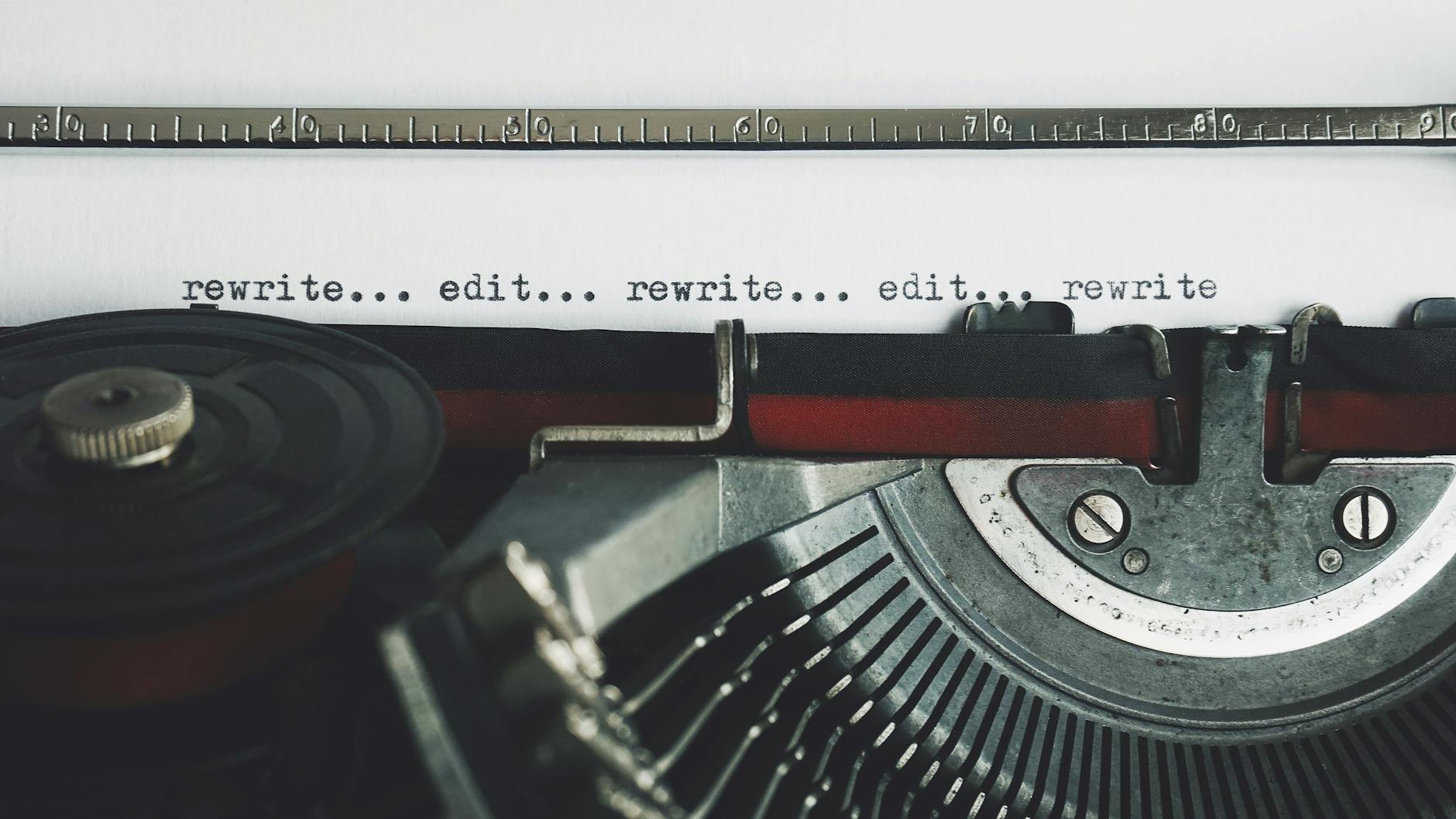 Photo by Suzy Hazelwood
A book proposal is a short business plan for your book. Think of it as a proof of concept with a sales plan you can act on. It clarifies what the book is about, who it is for, why it is needed, and how it will reach buyers.
If you are self-publishing, this plan matters even more. You are the author and the publisher. A proposal helps you make better choices about scope and price, choose the right format mix (paperback, ebook, audio), and align your marketing with real demand. It is your filter for ideas and a way to avoid costly detours.
Here is the plain book proposal meaning: a proposal is a plan, a pitch, and a roadmap in one document. You use it to see if your concept has traction before you invest months of writing. You also use it to talk with hybrid presses, potential partners, buyers for bulk orders, and event hosts. It keeps you honest about your numbers and timeline.
Traditional presses require proposals, and their guidance can help you shape a stronger indie plan. For a deep overview, see this practical guide on the book proposal process from Jane Friedman. For a friendly walkthrough with a template, you can also review Tiffany Hawk’s proposal template and tips.
In short, a strong self publishing book proposal increases clarity and lowers risk. If you want better pricing, better positioning, and more sales, start here. That is why write a book proposal even if you do not plan to query agents.
Clear goal: a plan, a pitch, and a roadmap
- Plan: what the book covers, who it serves, and where it fits. Example: a nonfiction guide for new managers, or a cozy mystery series starter for audiobook listeners.
- Pitch: the hook, proof, and promise. Example: “For first-time managers, this book fixes day one panic with quick scripts you can use on Monday.”
- Roadmap: the steps, timeline, and budget. Example: edit in April, cover in May, ARC in June, launch in July with 25 podcast pitches.
When a proposal helps a self-published author
- Hybrid press interest: you share a clear plan that shows market demand and platform.
- Bulk sales to companies or schools: you present outcomes, pricing tiers, and logistics.
- Grant or residency apps: you submit a crisp project summary with a budget and timeline.
- Distributor conversations: you show comps, categories, and sell-through expectations.
- Speaking gigs: you align your book’s promise with a talk and an offer.
- Crowdfunding pages: you use your overview, comps, and budget to earn trust.
- Co-author alignment: you agree on scope, roles, and the release plan before drafting.
What you get before you write a word
- A sharp hook that fits on a single line.
- A clear reader profile with pain points and outcomes.
- A tight table of contents that proves focus.
- A testable marketing plan you can start next week.
- Basic money math to guide pricing and formats.
Image suggestion: one-page proposal map
Imagine a one-page map with big labels: Overview, Audience, Comps, Platform, Marketing, Timeline, Budget, Sample. Each block has 2 to 3 bullets. The “hook” sits at the top in bold. Keep fonts large and clear.
The Must-Have Sections of a Strong Book Proposal
A strong proposal has a few core parts, each with a job to do. Aim for clarity, not fluff. Use short paragraphs, bold key data, and clean headers. Use the structure below to make skimming easy and to show that you respect the reader’s time.
If you want a fuller breakdown, this practical guide from The Creative Independent walks through core book proposal sections, including synopsis and sample chapters: How to write a book proposal. If you are submitting to an academic or professional press, study their requirements too, such as Taylor & Francis’s book proposal guidance.
Keep your eye on the how to write a book proposal overview, competitive titles, and author platform. These parts do the heavy lifting. Suggested ranges are flexible, but they keep you from going too long.
Book overview that hooks in one line and one page
Use this one-line logline formula:
For [reader], this book helps [goal] by [unique angle].
Example: For overworked first-time managers, this book helps cut meetings in half by using 5-minute scripts that solve common team problems.
Then expand to a single page. Include the stakes (what the reader risks without your book), the outcomes (what they will gain), and the tone (friendly, plain, practical). Keep it to 150 to 300 words. Use a few bold highlights, not full sentences.
Audience and market proof: who will buy and why
Describe a primary reader, not everyone. List 3 pain points and what triggers a purchase. Add simple proof points: search interest, relevant groups, or your email list. Note seasonal peaks, like back-to-school, New Year planning, or summer reads. Keep it to 150 to 250 words with short bullets and scannable stats.
Example data: monthly Google Trends interest for the topic, podcast audience sizes in your niche, and newsletter subscriber counts. Use plain language, and cite a source when possible.
Competitive titles and positioning that stand out
Choose 4 to 6 comps from the last 3 to 5 years. For each, list title, author, year, and two lines: what it does well, how your book differs. Show the gap you fill without knocking any author. Browse Amazon categories and use Look Inside to compare structure, voice, and promise.
Outcome: Your reader sees where your book sits on the shelf and why it is needed now.
Author platform and social proof that build trust
List real assets with numbers: email list size, social followers, podcast downloads, site traffic, speaking gigs, media clips, and endorsements. Add one paragraph on how you will grow each channel before launch. Keep claims modest and measurable.
Example: grow email list from 2,000 to 4,000 by running a lead magnet and a 3-part welcome series. Pitch 30 podcasts with topic angles linked to the book’s chapters. Share a monthly article on your site and repurpose it for LinkedIn.
Resources and Inspiration for Self-Publishers and KDP Users!
Numbers and Plan That Convince: Marketing, Timeline, and Money
Numbers settle nerves, yours and theirs. You do not need a giant ad budget, but you do need a clear book marketing plan, a simple publishing timeline, and honest book budget math. Show how you will reach real readers, when milestones hit, and how the book pays for itself. Aim for clean, round numbers and repeatable actions.
The math should be plain. Write out price, royalty, print cost, and units needed to reach break-even. Split your formats so you are not over-reliant on one channel. Include preorders, launch week pushes, and long-tail plays.
Marketing plan with real reach and repeatable actions
Use five core channels. Give each a weekly or monthly action and a number goal.
- Email: send a monthly newsletter, target 35 percent open rate, add 100 subs per month.
- Podcasts: pitch 10 shows per month, goal of 2 guest spots monthly.
- Partnerships: co-promote with 3 creators or organizations each quarter.
- Content: publish 2 helpful articles per month tied to chapter topics.
- Ads: test $10 per day for 14 days on 2 audiences, then scale winners.
Add preorder ideas: early bonus chapter, private Q&A, or workbook PDF. After launch, keep outreach steady: 5 new pitches per week, quarterly bundle offers, and seasonal promos.
For a structured template you can adapt, this guide and template breakdown is helpful: How to Write a Kick-Ass Book Proposal (+ Template).
Production timeline from draft to launch day
Plan a 20-week path with milestone dates.
- Weeks 1 to 4: revise manuscript, send for developmental edit.
- Weeks 5 to 8: revise, then line edit and copy edit.
- Week 9: cover brief and first cover concepts.
- Week 10: interior layout draft.
- Week 11: proofread and address layout notes.
- Week 12: order print proof, fix any issues.
- Week 13: finalize cover and interior files.
- Weeks 14 to 15: send ARCs, pitch media and podcasts.
- Week 16: collect early reviews and testimonials.
- Weeks 17 to 18: upload to platforms, set preorder.
- Weeks 19 to 20: launch campaign, track daily sales and reviews.
Tie each milestone to a date on a shared calendar so partners and freelancers can plan.
Budget, pricing, and break-even math that add up
List costs and set prices with a target margin.
- Typical costs: editing, design, ISBN, formatting, ARC prints, ads.
- Formats: paperback, ebook, audio if budget allows.
- Price bands: ebook 4.99 to 9.99, paperback 13.99 to 18.99, audio 14.99 to 24.99.
Sample break-even math for a paperback:
| Item | Value |
|---|---|
| List price | $16.99 |
| Print cost (est.) | $4.00 |
| Retail royalty (60%) | $10.19 |
| Net per unit | $6.19 |
| Fixed costs | $2,500 |
| Units to break even | 404 |
Test sensitivity: if you raise price to $17.99, net per unit goes up, and you need fewer units. Keep your ebook priced to support reviews and email growth, and let paperback drive margin.
Image suggestion: simple break-even chart
Picture a bar chart with four bars: Cost to produce, Price, Royalty per unit, Units to break even. Caption: “At $16.99 list, $4 print cost, and 60 percent royalty, net is $6.19 per copy. You need 404 copies to cover $2,500 in fixed costs.”
How To Write a Book Proposal Step by Step
This section gives you a fast path and a copy-ready outline. You can build your proposal in three focused sessions. Use plain text, one idea per paragraph, and bold only the most important data. If you want a genre-agnostic walkthrough with a sample flow, this guide is clear and practical: How to write a book proposal.
If you plan to submit to a press, check their forms and expectations as well. Academic houses and professional publishers often have strict requirements you can review here: Taylor & Francis submission details.
Simple template you can copy today
- Cover Page: book title, subtitle, author name, contact info.
- Logline: one-line hook that states reader, goal, and unique angle.
- Overview: 150 to 300 words on stakes, outcomes, and tone.
- Author Bio: 3 to 5 lines, credibility tied to reader outcomes.
- Audience: who buys, pain points, buying triggers, seasonality.
- Comps: 4 to 6 titles, each with 2 lines on fit and difference.
- Table of Contents: chapter list with one-line outcomes.
- Sample Chapter 1: strongest chapter, polished.
- Sample Chapter 2: different mode, story or case study.
- Marketing Plan: channels, actions, and number goals.
- Timeline: 16 to 24 weeks with key milestones.
- Budget: fixed costs, price bands, and break-even math.
For more structure and a downloadable format, you can study this overview with a template link: Start Here: How to Write a Book Proposal.
Style and formatting tips that make skimming easy
Use an 11 to 12 pt serif font for body text. Keep headers clear and consistent. Stick to one idea per paragraph. Use bullets for lists and bold for key numbers. Write short sentences in active voice. Keep the full proposal to 25 to 35 pages unless a press asks for more.

Research tools and data sources to cite
Use Amazon category pages and Look Inside for comps. Read Goodreads reviews to map reader pain points. Check Google Trends for topic interest lines. Pull podcast audience sizes from show pages or directories. Use your email provider for list stats. Confirm category placement via BISAC lists, and look at Bookshop.org to see indie store shelving.
Keep a short sources list at the end with links and dates.
Mistakes to avoid and fast fixes
- Weak hook: tighten to one line that names reader and outcome.
- No comps: pick 4 recent titles and show your difference in two lines.
- Vague audience: write one clear reader, not “everyone.”
- Fluffy platform claims: add hard numbers and realistic growth goals.
- No numbers: add price, royalty, and units to break even.
- No plan: list five channels with repeatable actions and targets.
- Sloppy format: use clear headers and one idea per paragraph.
- Zero samples: include two polished chapters that show your voice.
Image suggestion: one-page proposal template
Imagine a clean one-page layout with high-contrast blocks: Title and Logline at the top, then Overview, Audience, Comps, Platform, Marketing, Timeline, Budget, and Samples. Each block includes 2 bullets and room for numbers.
A strong book proposal gives you a clear plan, a tight pitch, and a real path to sales. Block two focused sessions this week to draft your overview and comps, then book a third session for your marketing plan and budget. Save the one-page template and break-even chart ideas so you can reuse them with your next book.
Ready to move from idea to action? Open a fresh doc, write your one-line hook, and take the first step today.
If you want another angle and a structured walkthrough, this clear guide can help you sharpen your approach: How to write a book proposal.


